In the heart of Oman, a transformative initiative has been underway since the establishment of the Royal Academy for Administrative Leadership. With the gracious patronage of His Majesty Sultan Haitham bin Tarik, the academy has been on a mission to revolutionize leadership across various sectors. This report delves into the academy’s remarkable journey, highlighting its commitment to innovation, empowerment, and the creation of a forward-thinking administrative landscape.
A Visionary Approach to Leadership:
Under the esteemed guidance of His Majesty, the academy has set forth a vision to build an innovative administrative apparatus. This vision aims not only to empower national leaders but also to cultivate a cadre of forward-looking individuals capable of seizing opportunities in the ever-evolving landscape.
Sectoral Impact:
The academy’s impact spans across key sectors, with a particular focus on the government, business, and local administration. Through meticulously designed executive programs, it has successfully elevated leadership capabilities, fostering collaboration, and addressing the unique challenges within each sector.
Government Sector Transformation:
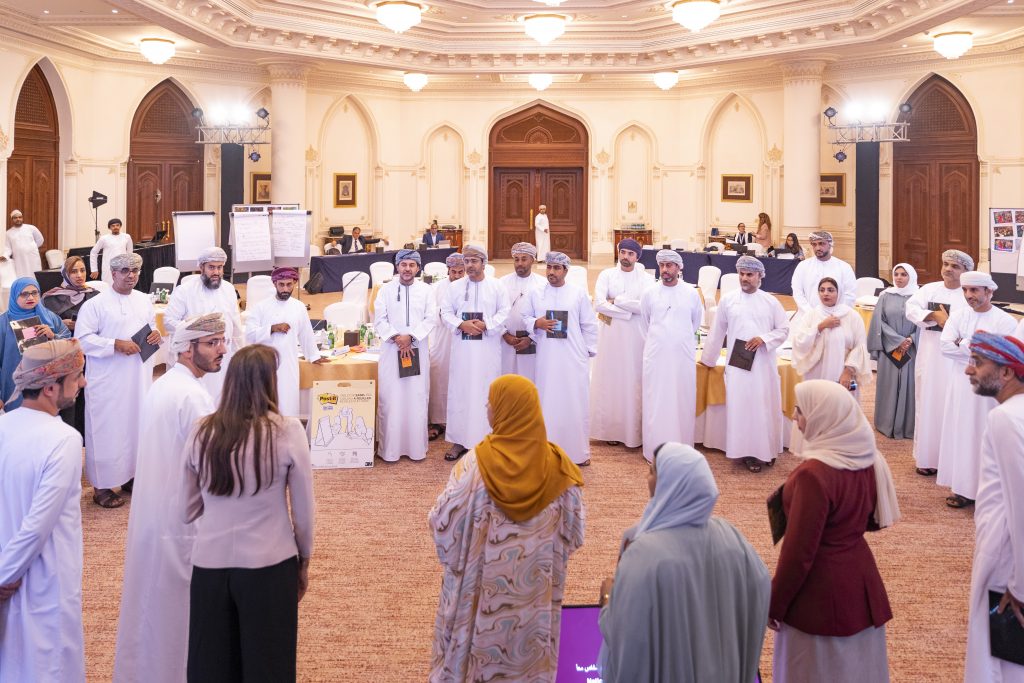
Within the government sector, the academy has orchestrated six executive programs, covering vital aspects such as public policies, strategic planning, and the development of leaders at various administrative levels. The result has been the creation of a cadre of qualified and visionary leaders ready to navigate the complexities of governance.
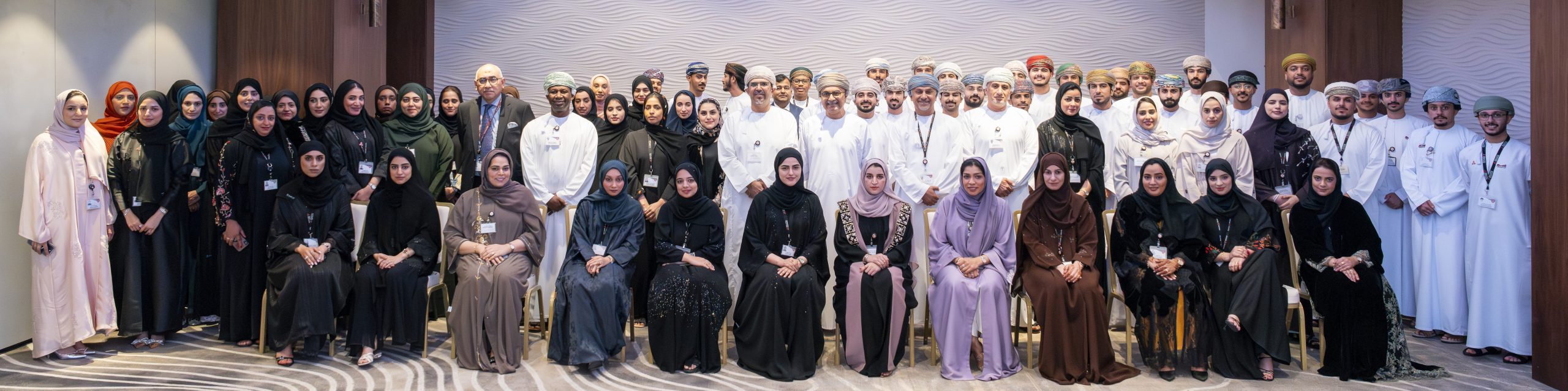
Empowering the Business Landscape: In the business sector, the academy’s three executive programs have played a pivotal role in economic leadership, trade expansion into the Chinese market, and the harmonious development of executive leadership across both government and business domains. With 338 participants engaged, these programs have not only enhanced individual skills but also fostered collaborative approaches to economic challenges.
Local Administration Renaissance:
The academy’s impact on local administration is evident through initiatives designed to elevate governance at the governorate and municipal levels. Programs targeting governors, mayors, and council members have brought about a positive transformation in local governance, contributing to the overall development of Oman’s regions.
Digital Revolution and Sustainability:
In a rapidly evolving digital landscape, the academy has embraced technological advancements with over 150 digital services. From an AI-driven inquiry platform to sustainable initiatives, the academy has ushered in a new era of administrative excellence, demonstrating its commitment to environmental responsibility.
Social Media Engagement:
The academy’s influence extends to the digital realm, with a significant presence on social media platforms. Boasting over 1.1 million followers, the academy has become a hub for thought leadership, engaging with a diverse audience on topics of national importance.
Conclusion: As the Royal Academy for Administrative Leadership continues to shape the future of leadership in Oman, its commitment to innovation, collaboration, and sustainability stands as a testament to its enduring impact. Under the wise guidance of His Majesty Sultan Haitham bin Tarik, the academy is not just creating leaders; it is cultivating a legacy of visionary individuals poised to steer Oman toward a future of prosperity and excellence.