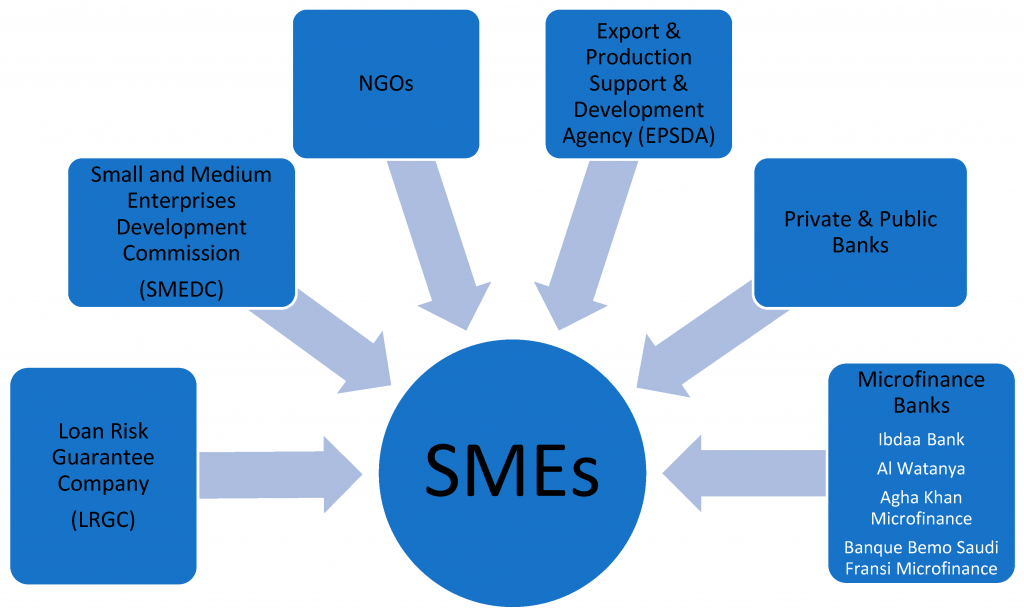
Introduction: Small and Medium Enterprises (SMEs) play a crucial role in driving economic growth and innovation. However, one of the key challenges they face is securing the necessary funding to expand operations and achieve sustainable growth. In this article, we will explore strategies for obtaining financing and making effective use of it to propel SMEs to new heights.
- Assessing Financial Needs: Before seeking financing, SMEs should conduct a thorough assessment of their financial requirements. This includes a detailed analysis of expansion plans, working capital needs, and potential investment opportunities. Understanding the specific financial needs lays the foundation for a targeted funding strategy.
- Exploring Diverse Funding Sources: SMEs should not limit themselves to traditional bank loans. Exploring diverse funding sources, such as venture capital, angel investors, crowdfunding, and government grants, opens up new avenues for financial support. Each funding option comes with its own advantages and considerations, and a well-rounded approach can reduce dependency on a single source.
- Building a Robust Business Plan: A well-crafted business plan is instrumental in attracting investors and lenders. It should outline the company’s vision, mission, market analysis, and financial projections. A compelling business plan demonstrates the SME’s commitment to growth and provides confidence to potential financiers.
- Establishing Strong Financial Management: Effective financial management is critical for attracting investors and maintaining a healthy financial position. SMEs should implement robust accounting systems, manage cash flow efficiently, and demonstrate a clear understanding of their financial health. This builds trust and credibility with potential investors.
- Negotiating Favorable Terms: When engaging with potential investors or lenders, SMEs should be prepared to negotiate terms that align with their growth plans. This includes interest rates, repayment schedules, and any equity stakes. Careful negotiation ensures that financing arrangements support rather than hinder the company’s growth trajectory.
- Investing in Technology and Innovation: Utilizing funds to invest in technology and innovation can give SMEs a competitive edge. This could involve upgrading infrastructure, adopting digital solutions, or developing new products and services. Technological advancements can enhance efficiency and open up new markets for growth.
- Risk Management: SMEs should implement effective risk management strategies to mitigate potential challenges associated with growth and investment. This includes understanding market risks, regulatory risks, and operational risks. A comprehensive risk management plan enhances the resilience of the business.
- Monitoring and Evaluation: After securing financing, continuous monitoring and evaluation are essential. SMEs should track the performance of their investments, assess the impact on business operations, and make necessary adjustments. Regular evaluation ensures that the use of funds remains aligned with the overall growth strategy.
Conclusion: Securing and effectively utilizing financing is a pivotal aspect of SME growth. By adopting a strategic and diversified approach to funding, coupled with prudent financial management, SMEs can unlock new opportunities, expand their operations, and achieve sustainable growth in today’s dynamic business landscape.