Breaking News :

HM The Sultan Leads Farwell Party for Emir of Qatar

HM The Sultan Presides over Student Festival

Over 70 Teachers Trained in Financial Literacy through Maliyat Academy from Bank Muscat

Oman & Belarus: Towards Expanding Partnerships in Various Fields

HM The Sultan Visits Belgian Port of Antwerp

“Oman and Zanzibar Strengthen Bilateral Ties: Focus on Economic, Cultural, and Health Cooperation”

COMEX Global Technology Show 2024 Kicks off

HM The Sultan Arrives in Kuwait

Kuwaiti diplomat: Omani Sultan’s Kuwait visit indicative of strong ties

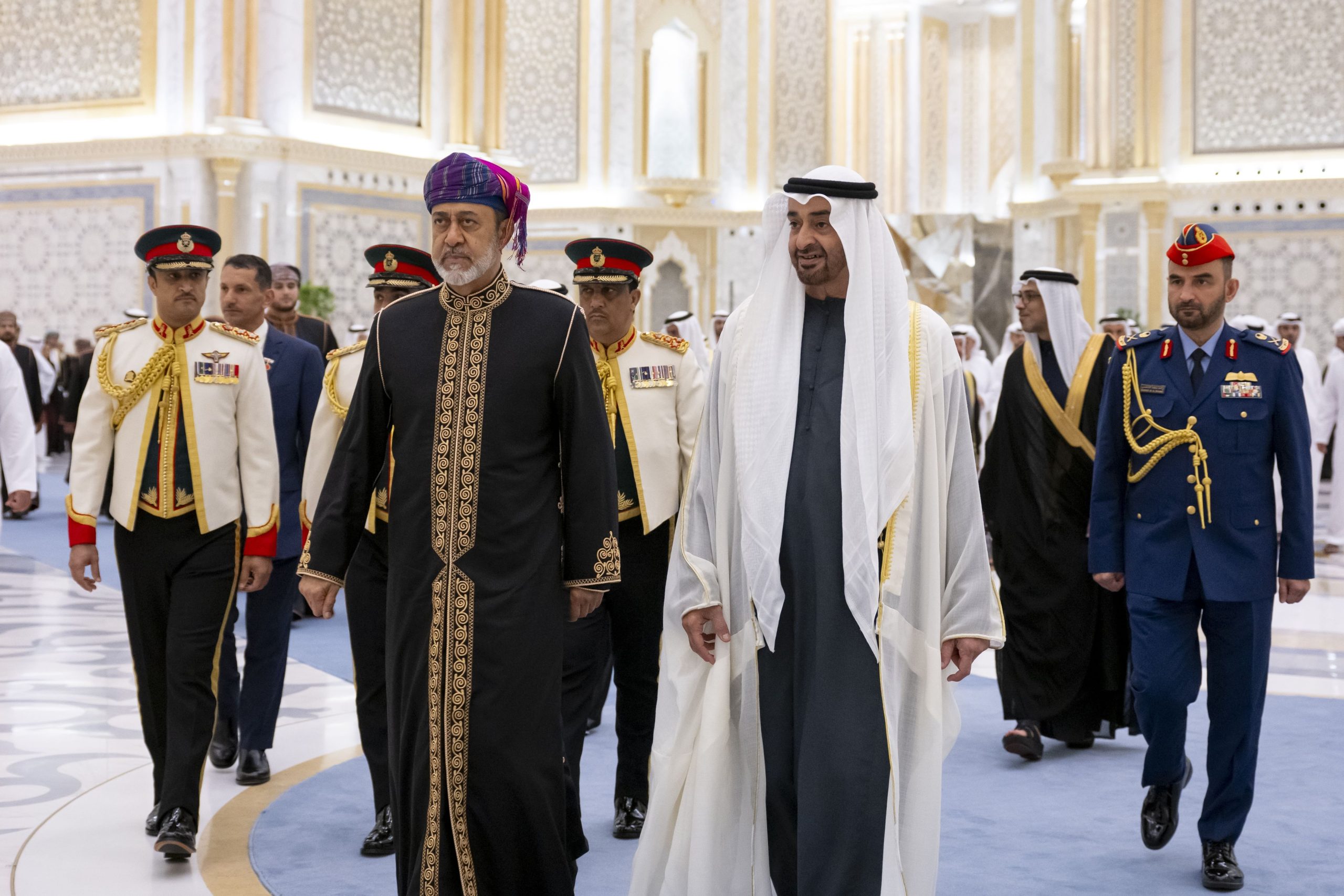
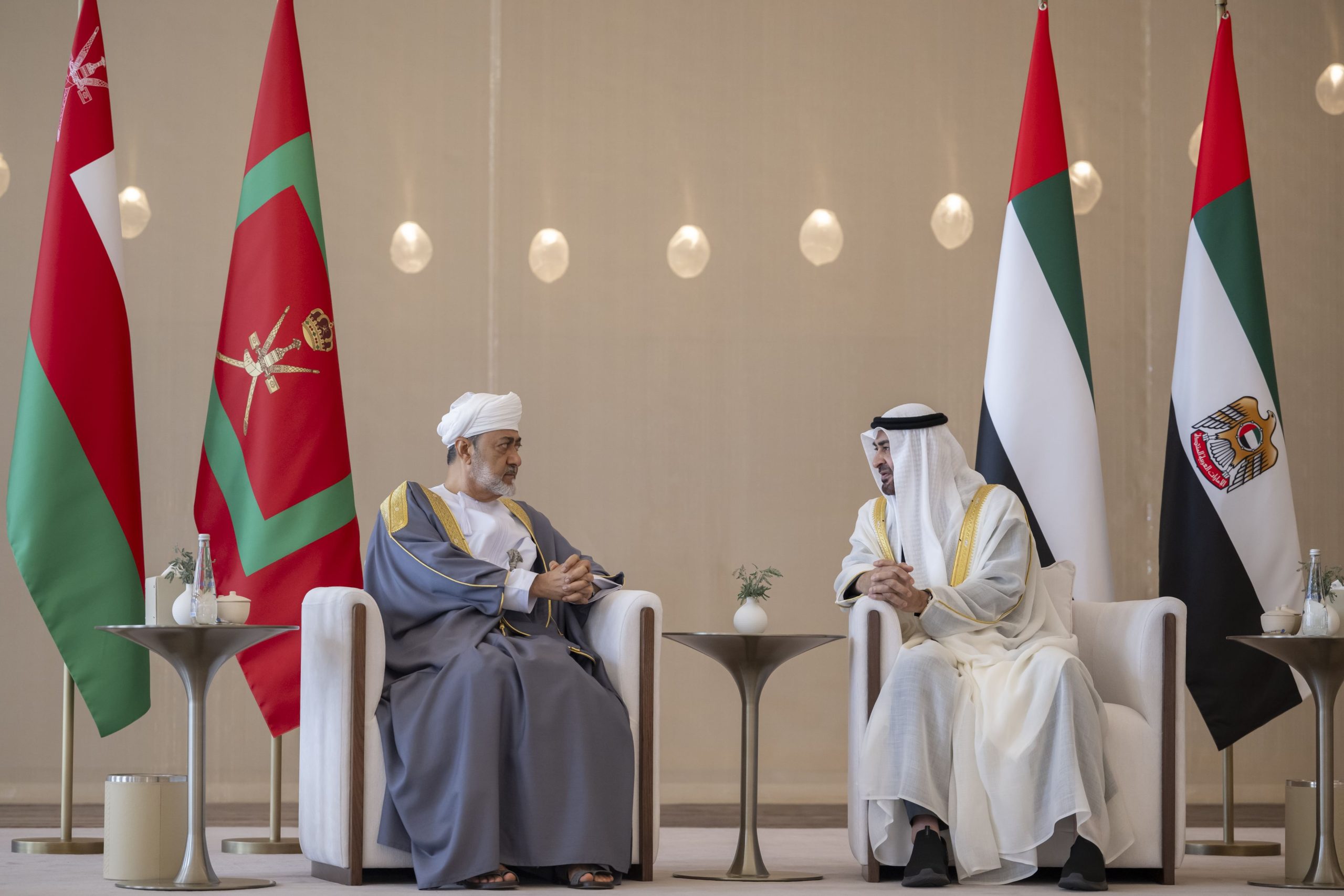
UAE President holds dinner banquet at Qasr Al Watan in honour of Sultan Haitham bin Tariq

UAE President receives Sultan of Oman upon arrival in UAE on state visit

Oman and UAE: Fraternal Bonds, Strategic Relations and Economic Partnership

OIA Announces Social Investment Policy, Launches “Qimam” Platform

POPS Supervisory Committee Holds First Meeting in 2024

Bank Muscat’s Sayyarati Auto Finance Option Comes with the Best Financing Facilities for Customers

“Ooredoo Oman Welcomes Khawla Al-Amiri as Chief People Officer, Reinforcing Commitment to Local Leadership Empowerment”

Bank Muscat Launches EAGLEs Programme: A Pioneering Leadership Engagement Across Branch Network

“Forging Tomorrow: A Global Imperative for Advanced AI Infrastructure”

“High-Paying Careers in Artificial Intelligence: Securing Your Future in the Evolving Job Market”

HM The Sultan Issues Two Royal Decrees

Unlocking New Horizons for Entrepreneurs: The Fourth Industrial Revolution

Royal Army of Oman Celebrates Passing Out of Officer Cadets, University Officers

HM The Sultan Offers Condolences on the Death of Kuwaiti Emir

HM The Sultan Gives Audience to Business People in India

HH Sayyid Theyazin Conveys HM The Sultan’s Greetings to Russian President

First Muscat Dialogue Sessions Begin

Oman and Switzerland Strengthen Bilateral Cooperation with Multiple Memoranda of Understanding

Empowering Coastal Women in Oman: “Mina” Project Unveiled

Information Minister Affirms Keenness to Strengthen Communication with International Media Institutions

“Oman’s Education and Innovation Drive: Sultan Haitham’s Vision”

UAE Space Agency launches National Space Academy to develop national cadres

HM The Sultan Presides over 8th Term Convening of Council of Oman

Selecting Topics Phase Launched of “Together we Make Progress” Forum

HM The Sultan Issues 2 Royal Decrees

Interior Minister visits Operations Chamber of Shura Council Elections

Omanis Cast Ballots for Shura Council’s 10th Term Membership

“Navigating Talent Challenges in Oman’s Telecom Sector”

“Bank Merger in Oman: A Human Resources Transformation Story”

Omantel’s 5G Excellence Recognized with “Samena Communications Award”

NHS scientist awarded £58,000 after being named ‘Paininarse’ on spreadsheet

‘Kill list’ | Mystery doc shows list of LinkedIn staff facing redundancy, days before HR announcement

HM The Sultan Receives Ambassadors’ Credentials

“Empowering Omani Women: A Message of Hope and Progress”

Mohammed bin Rashid opens GITEX GLOBAL

HH Sayyid Bilarab Chairs Meeting of Omani Startups’ Supervisory Committee

“Dhi Yazan bin Haitham Al Said Inaugurates Duqm Economic Forum “

Omani Woman: Clear Vision & Remarkable Achievements

“Strategies for Cultivating a Healthy and Productive Work Environment”

“Essential Reading for HR Professionals: 17 HR Books You Can’t Miss in 2023”

“Future-Proofing Your Career: Essential Skills for Tomorrow’s Job Market”

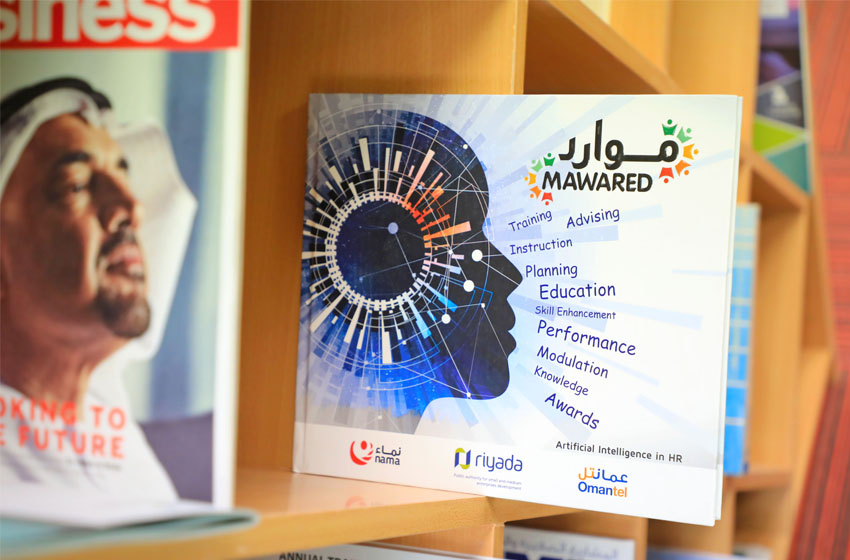
MAWARED annual book

Transformational Leadership: Inspiring Change and Achieving Excellence

“al sulaam Program (Episode four) with Dr. Aamal al bussaidi .”

“al sullam Program (Episode Two) with Dr. Ahmed Al-Ghusani.”

Nama Group and Omani Society for Human Resource Management (OSHRM) announce strategic partnership in Human Resources development

Workshop Held on Strengthening Data-Driven Decision-Making

Oman Successfully Performs First Heart Transplant from Brain-Dead Donor to Omani Patient

Saudi Military Delegation Visits Maritime Security Centre

Deputy PM for Defence Affairs Receives Ambassador of Bangladesh

Kuwait, Shell renew cooperation

UAE President, Australian Governor-General discuss bilateral relations

Urban Air Mobility Forum Kicks Off

Strategic Investments Inked in Closing Day of Advantage Oman Forum

Oman Participates in Arabian Travel Market Exhibition in Dubai

Foreign Minister, Saudi Counterpart Visit Empty Quarter Border Crossing

June 20, 2026

The Significance of Business Models for Brands: Empowering SMEs for Success


Introduction: A business model serves as the backbone of how a brand delivers value to its customers while achieving profitability. It acts as a framework that outlines how activities, resources, partnerships, customer relationships, distribution channels, cost structures, and revenue sources are organized and defined. Directing the operational processes of a brand, a business model can assist in achieving focus, efficiency, and innovation.

  1. Strategic Alignment and Focus: For Small and Medium Enterprises (SMEs), a well-crafted business model ensures strategic alignment with the brand’s objectives. It provides a clear roadmap, guiding the organization toward its goals and fostering a focused approach to operations. This strategic alignment is crucial for SMEs aiming to make the most of their limited resources.
  2. Operational Efficiency: SMEs often face resource constraints, making operational efficiency paramount for success. A robust business model streamlines processes, helping SMEs optimize their use of resources, reduce waste, and enhance overall efficiency. This efficiency not only contributes to cost savings but also enables SMEs to deliver products or services more effectively.
  3. Innovation Catalyst: Business models serve as a catalyst for innovation within SMEs. By defining how the company operates and interacts with its ecosystem, a well-designed business model encourages creative problem-solving and the exploration of new opportunities. This innovation is essential for SMEs looking to differentiate themselves in competitive markets.
  4. Resource Allocation and Management: Effective resource allocation is a key component of successful SME management. A business model helps SMEs allocate resources judiciously, ensuring that each aspect of the business receives the attention and investment it needs. This strategic resource management is vital for sustainable growth.
  5. Adaptability and Resilience: SMEs operating with a clear business model are better positioned to adapt to changes in the business environment. Whether facing market shifts, technological advancements, or unforeseen challenges, an adaptable business model allows SMEs to pivot and remain resilient in the face of uncertainty.
  6. Customer-Centric Approach: The customer is at the core of any successful business, and a well-defined business model ensures a customer-centric approach. From understanding customer needs to delivering value, a business model helps SMEs build strong and lasting relationships with their customer base, fostering loyalty and repeat business.
  7. Financial Viability and Revenue Diversification: Financial sustainability is a priority for SMEs, and a thoughtfully constructed business model contributes to this by outlining revenue streams and cost structures. Diversifying revenue sources within the model can also shield SMEs from over-reliance on a single income stream, enhancing financial stability.
  8. Partnerships and Collaboration: Business models facilitate partnerships and collaborations, which are instrumental for SMEs seeking to expand their reach and capabilities. Through strategic partnerships, SMEs can leverage shared resources, tap into new markets, and access expertise that might otherwise be beyond their individual capacity.
  9. Risk Mitigation: A well-structured business model helps SMEs identify and mitigate risks. By understanding potential challenges and having contingency plans in place, SMEs can navigate uncertainties more effectively and safeguard their operations.
  10. Continuous Evaluation and Improvement: Business models are not static; they should evolve with the changing business landscape. SMEs should regularly evaluate their business model, seeking opportunities for improvement and refinement. This continuous evaluation ensures that the business remains dynamic and responsive to market dynamics.

Conclusion: For SMEs, a robust business model is more than a theoretical framework—it’s a practical tool that empowers the organization to thrive in a competitive business environment. By providing strategic guidance, enhancing efficiency, fostering innovation, and supporting adaptability, a well-crafted business model is the cornerstone for SME success.

Read Previous

Unlocking Growth: Strategies for Financing and Investment in Small and Medium Enterprises (SMEs)

Read Next

The Impact of Brand Acquisitions on Customer Experience: Opportunities and Challenges for SMEs

Most Popular