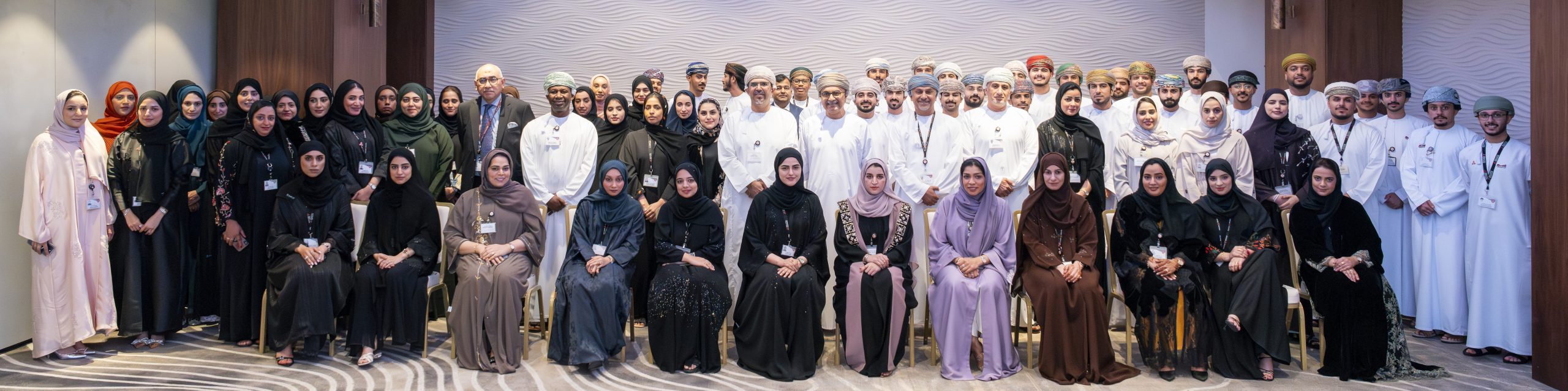
Muscat, 22 Apr (ONA) —— The second edition of the Aluminum Scrap Recycling Seminar was held today in Muscat, aiming to enrich the aluminum scrap recycling sector and enhance sustainable industrial development in the Sultanate of Oman.
The event was held under the patronage of Dr. Abdullah Ali Al Amri, Chairman of the Environment Authority.
Organized by Sohar Aluminium in collaboration with the Environment Authority, the seminar served as a platform bringing together key stakeholders, institutions, experts, and policymakers in the aluminum industry to exchange insights, share expertise, and review global trends, sustainability frameworks, and the future of aluminum scrap recycling in Oman.

In his keynote speech, Eng. Said Mohammed Al Masoudi, CEO of Sohar Aluminium, stated that the seminar aims to facilitate knowledge exchange among participants and industry experts to develop actionable policy recommendations.
He added that the event includes panel discussions on “The Recycling Industry: Operational Challenges and Sustainability” and “Investment Prospects in the Recycling Sector,” highlighting trends, challenges, and opportunities in recycling. Al Masoudi emphasized Sohar Aluminium’s commitment to advancing aluminum recycling.
He noted that Oman has the potential to become a key hub for aluminum scrap recycling, serving the entire industry in the GCC. However, achieving this vision requires collaboration among sector partners.
Sohar Aluminium has prioritized aluminum scrap recycling since last year, recycling approximately 3,500 tons in 2024, with plans to recycle over 3,500 tons in 2025.
On his turn, Eng. Mohammed Saif Al Kalbani, Director General of Environmental Affairs at the Environment Authority, stated that over the past five years, the authority has taken numerous measures, including drafting a Waste Law and a National Waste Management Policy for Oman.
He added that the authority, in coordination with relevant government and private entities, recently announced a national recycling strategy. In 2020, athe authority issued regulations governing the export of various waste types, including tires, scrap metal, aluminum, copper, paper, and cooking oil waste. These regulations have helped create job opportunities for Omani youth through waste recycling companies.

Al Kalbani noted that the seminar complements the authority’s efforts in waste recycling by providing a platform for experts and industry stakeholders to exchange data, coordinate, and explore investment opportunities in Oman’s recycling sector.
The seminar featured participation from local and international experts in sustainability, circular economy, aluminum production, and scrap recycling.
Two panel discussions were held. The first addressed key operational and strategic challenges facing recycling companies, focusing on how leading industries in Oman and the GCC can benefit from recycling. It also examined regulatory updates and the role of policies in overcoming logistical challenges and ensuring compliance with best practices.
The second session highlighted economic prospects and investment enablers in aluminum scrap recycling, focusing on challenges faced by SMEs and the support mechanisms needed to ensure their sustainability. Discussions covered trade policies, import-export regulations, and regional cooperation to stimulate the recycling economy.