Muscat: The Sultanate of Oman has taken ‘significant steps’ to combat money laundering and other financial crimes, a senior government official said on Wednesday.
While creating awareness in society about suspicious financial transactions, Bushra bint Yousef Al Kindi, assistant director at the Ministry of Social Development, highlighted the country’s efforts to clamp down on financial crimes.
“For this, Oman has taken a number of decisions and actions,” she said, while speaking at the workshop on ‘combating money laundering’.
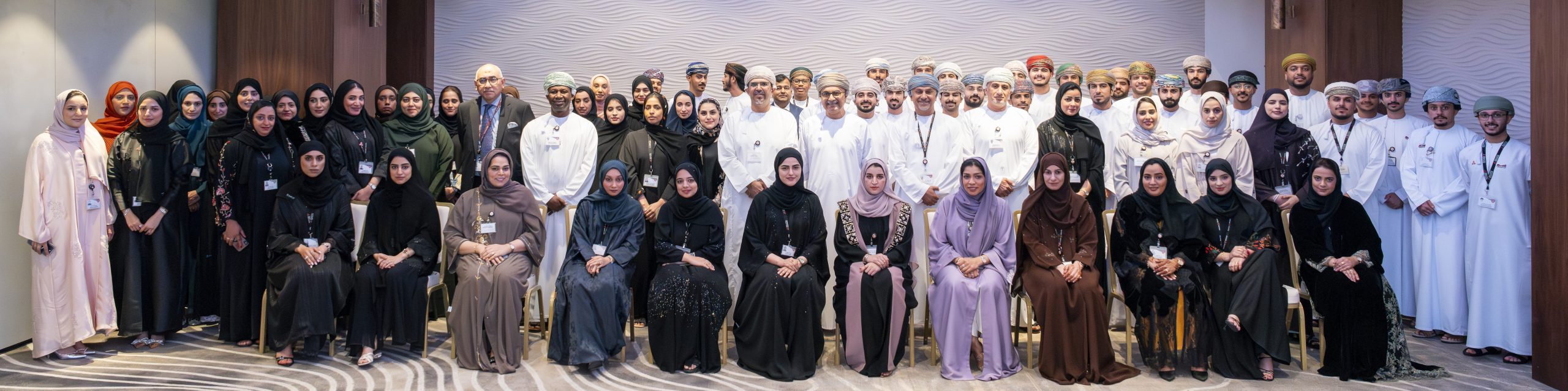
The opening ceremony of the workshop was organised under the patronage of Sheikh Rashid bin Ahmed Al Shamsi, Undersecretary of the Ministry of Social Development in the presence of a number of directors- general.
The workshop, organised on the premises of the civil society institutions at the Airport Heights, aimed to boost the understanding of the risks of money laundering and terror financing, the precautions taken by the Sultanate of Oman in combating such crimes and familiarising society with suspicious transactions .
In her speech, Bushra bint Yousef Al Kindi, stated that the Ministry of Social Development is one of the regulatory bodies to deal with the provisions of the Law on Combating Money Laundering and Financing Terrorism.
She said that the Ministry supervises all charity associations and community social clubs for receiving funds.
She said that as part of its duty, the Ministry shall take some precautions for combating the financial crimes and make society aware of its inherent risks.
She said that Oman has continued with its proactive arrangements and actions to upgrade its systems and expand the scope of its legislations and preparedness for keeping abreast with the latest developments at the local, regional and international levels for combating money laundering and terror funding.
Oman has taken a number of steps, including an evaluation of the risks at the national level as required by the Financial Action Task Force which requires the countries to identify, evaluate and understand the risk of money laundering and terror funding, she added.
She said that Oman is among the first countries at the GCC level in terms of issuance of legislations and regulations for combating money laundering and terror financing in accordance with the applicable international standards and the recommendations of the Financial Action Task Force and the MENA Group for Combating Money Laundering.
She said that the efforts of Oman on combating the two crimes started in the 90s when the Sultanate put in place strict legal provisions as per Royal Decree No. 17/ 1999 on combating drugs and narcotics, which was followed by Royal; Decree No. 34/2002.
It was later amended to keep abreast of the requirements of the Sultanate of Oman .
Basil bin Rashid Al Kiyomi, representative of the Central Bank of Oman (CBO) reviewed a number of issues including the national system for combating money laundering and financing terrorism and phases of money laundering among other issues.
The Ministry of Social Development, represented by the Department of Civil Society Institutions organised, yesterday, a workshop on ‘combating money laundering and terror financing’ in cooperation with the National Committee for Combating Money Laundering and Financing Terrorism, the National Committee for Combating Terrorism, and the National Centre for Financial Information in partnership with the Ministry’s employees and representatives of the civil society institutions.
The workshop saw delivery of five working papers. The first working paper is on the risks and the misuse of the not for profit sector in relation to money laundering.
The second working paper desalt with the misuse of civil associations in relation to financing terrorism and the international standards for combating the misuse of non-profit associations.
The third working paper is on the official website of the National Committee for Combating Terrorism, the committee concerned with dealing with the requirements associated with the targeted financial penalties and is concerned at the national level with supervising the implementation of the financial penalties.
The fourth working paper is on the methods of reporting to the National Centre for Financial Information and the fifth one is on the control regulation on non-profit associations in terms of combating money laundering and financing terrorism.